Vitamins in Chinese Green Tea: Why Mengding Ganlu Stands Out
Published on
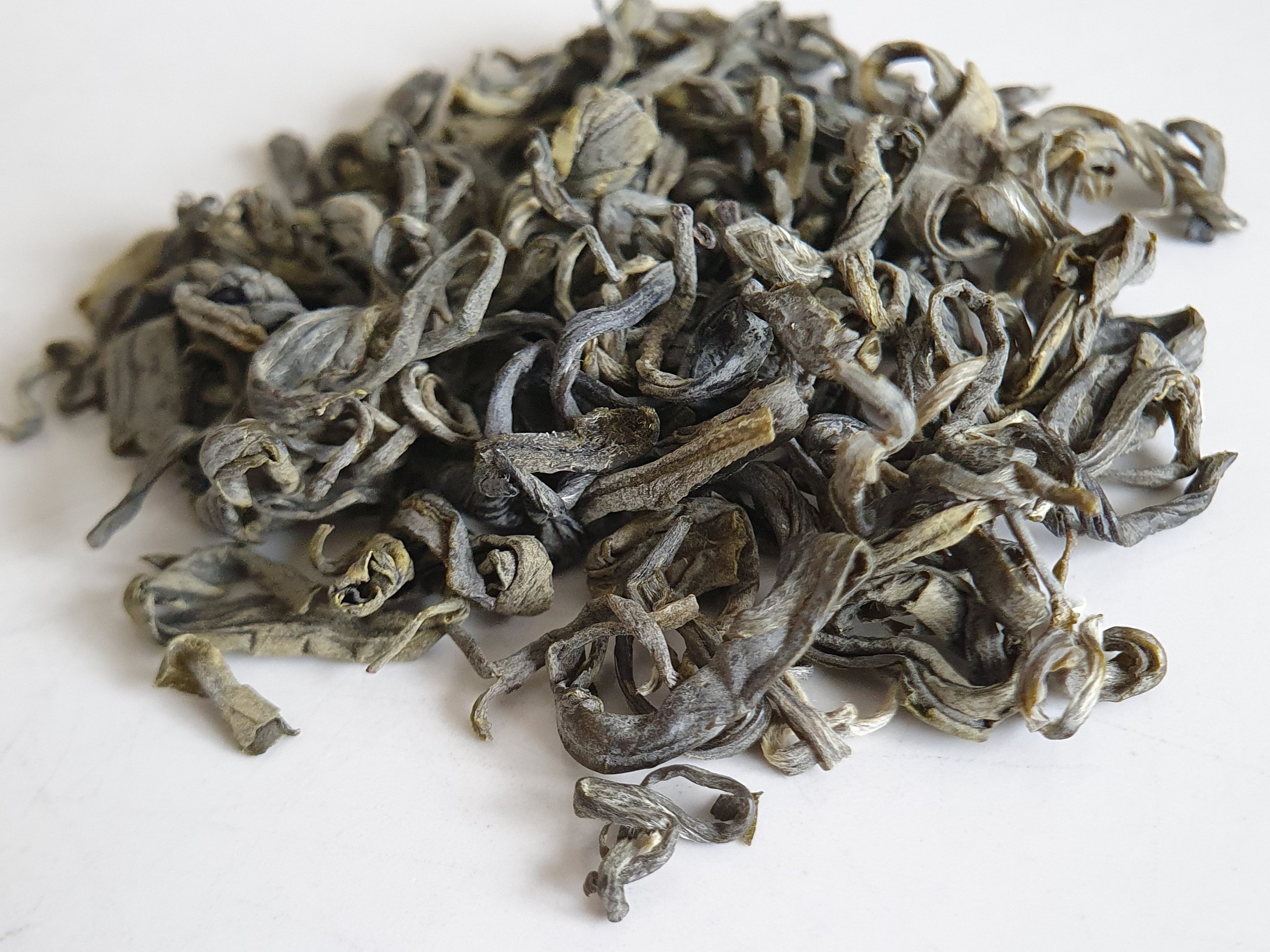
Chinese green tea vitamins at a glance
Chinese green tea is celebrated for its elegance, clarity, and centuries‑old craftsmanship.
Among all early‑spring teas, Mengding Ganlu is one of the most nutrient‑dense thanks to its
ultra‑tender buds and one‑leaf shoots. While teas like Longjing, Biluochun, and
Huangshan Maofeng are well‑known classics, Mengding Ganlu offers a uniquely sweet flavour
and a naturally higher concentration of vitamins due to its early harvest.
The leaves themselves are rich in vitamins, but—just like all loose‑leaf teas—the brewed liquor
contains only modest amounts unless you consume the whole leaf. Still, early‑spring teas like
Mengding Ganlu deliver more vitamins than later‑season harvests.
Which vitamins are found in Chinese green tea leaves?
Chinese green tea is typically pan‑fired rather than steamed, a process that preserves flavour
while gently stabilising nutrients. In the dried leaf, you’ll find:
- Vitamin C — especially high in early‑spring teas like Mengding Ganlu.
- B vitamins — including riboflavin (B2) and small amounts of other B‑complex vitamins.
- Vitamin A (beta‑carotene) — supporting vision and skin health.
- Vitamin E — a fat‑soluble antioxidant that protects cells from oxidative stress.
- Vitamin K — present in the leaf but not easily extracted into water.
These vitamins sit alongside minerals (potassium, manganese), amino acids like L‑theanine,
and powerful catechins—especially EGCG—that give Chinese green tea its antioxidant reputation.
Brewed Chinese green tea: how much reaches your cup?
Chinese green tea is usually brewed at lower temperatures (80–85 °C), which helps preserve
delicate compounds. Still, only water‑soluble and heat‑stable vitamins move into the liquor:
- Vitamin C — some extraction occurs, but heat reduces the total amount.
- B vitamins — small quantities dissolve into the infusion.
- Fat‑soluble vitamins (A, E, K) — these remain mostly in the leaf.
This means a cup of Chinese green tea contains trace vitamins, not large doses. Its
nutritional strength lies in antioxidants, amino acids, and gentle caffeine—not in being a
multivitamin.
Why Mengding Ganlu stands out
While many Chinese green teas are pan‑fired and harvested in spring, Mengding Ganlu is
uniquely delicate. Grown on the historic Mengding Mountain in Sichuan — one of China’s earliest
documented tea‑growing regions — this tea is picked from tiny buds and one‑leaf shoots during the
earliest part of the season.
This ultra‑early harvest gives Mengding Ganlu:
- Higher vitamin C than most mid‑season teas.
- More beta‑carotene due to tender leaf material.
- Natural B vitamins that support energy metabolism.
- Exceptional EGCG levels for antioxidant protection.
- High L‑theanine for calm focus and smooth energy.
Its gentle pan‑firing process preserves these nutrients while creating the tea’s signature
sweet, silky flavour — a profile often described as “soft”, “pure”, and “refreshingly sweet”.
Mengding Ganlu vs other early‑spring teas
Teas like Mingqian Longjing and Mingqian Biluochun are famous for their freshness and
high vitamin content. Mengding Ganlu belongs in the same elite category, but its flavour is
noticeably gentler and sweeter, making it ideal for daily drinking.
If you enjoy early‑spring teas but prefer a softer, less grassy profile, Mengding Ganlu is one
of the most refined choices available in the UK.
How to maximise vitamins in Mengding Ganlu
To get the most nutritional value from your Mengding Ganlu ritual:
- Brew at 80–85 °C — protects vitamin C and preserves sweetness.
- Use fresh spring tea — Mengding Ganlu is at its best when newly harvested.
- Try cold brewing — excellent for vitamin retention and natural sweetness.
- Drink soon after brewing — vitamins and antioxidants degrade over time.
Is Mengding Ganlu a good source of vitamins?
Think of Mengding Ganlu as a vitamin‑supportive beverage rather than a primary vitamin
source. The leaf is nutrient‑dense, but the infusion contains only small amounts. For meaningful
vitamin intake, pair your tea with:
- A varied diet — fruits, vegetables, whole grains.
- High‑quality early‑spring teas — like Mengding Ganlu for gentle vitamin support.